The Rhythm of Kaiseki: Mindful Dining in Kyoto
Words by S. Akiyama. A study of hyper-seasonality, lacquer craft, and temple silence.
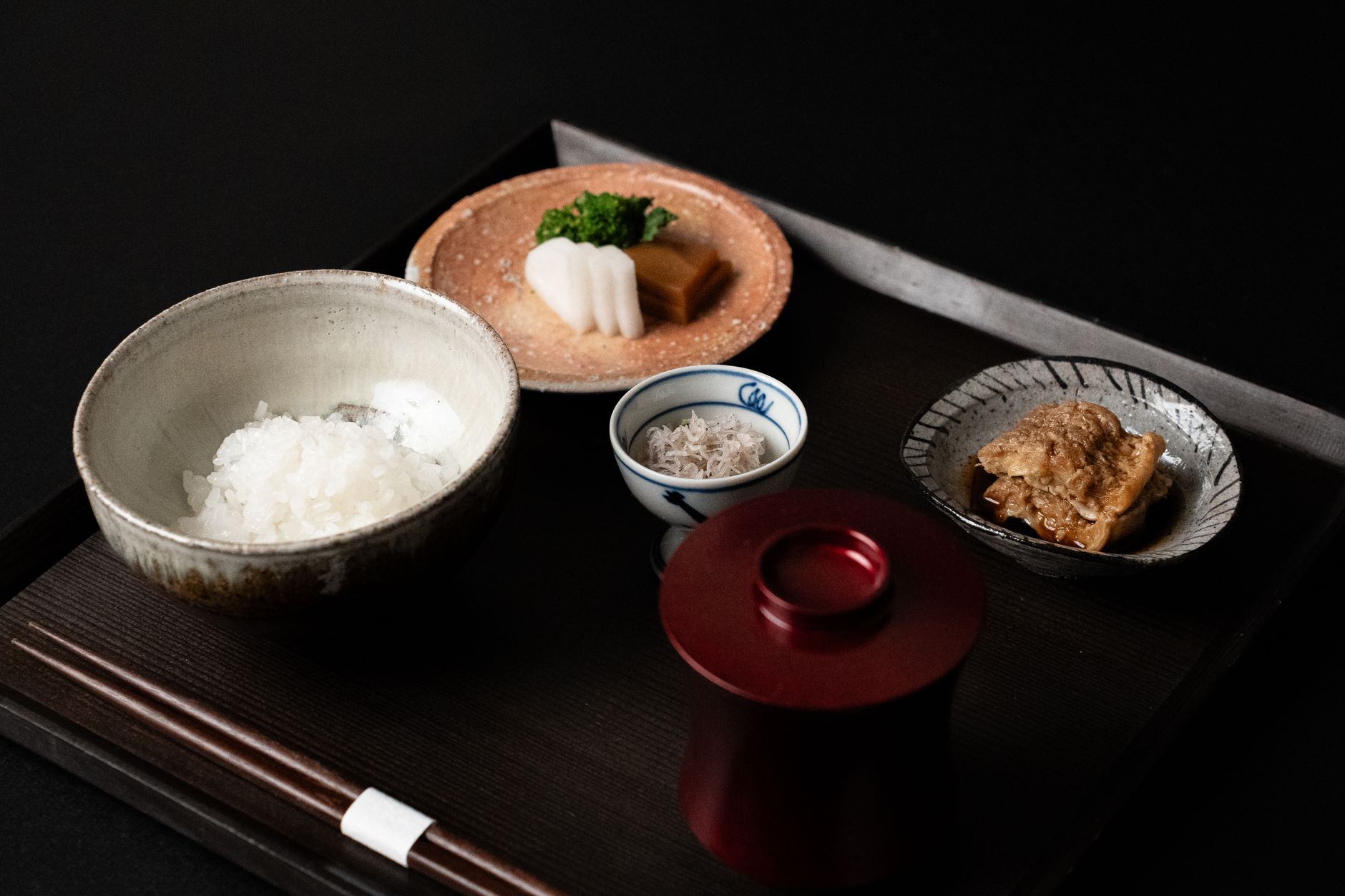
Table of Contents
In Kyoto, autumn does not simply arrive; it is parsed into micro-seasons of five days each. In a discreet ryokan tucked behind the stone-paved alleys of Gion, chef Kenjiro Matsuoka inspects a basket of freshly harvested matsutake mushrooms and silver-skinned sweetfish. Kaiseki is not merely dinner; it is an ephemeral poem composed of water, dashi, cedar, and time.
1. The Micro-Seasons of Kansai
Every dish served over a traditional twelve-course sequence mirrors the exact natural status of the hills surrounding the city. A single momiji maple leaf, touched with vermilion at its edges, sits atop a bowl of clear broth made from aged ma-kombu and freshly shaved bonito flake. To consume it is to consume that exact afternoon in November.
“Kaiseki is humility made edible. It does not boast of culinary pyrotechnics; it asks you to listen to the natural flavor of winter turnip simmered in mountain water.”
2. The Dialogue Between Ceramic and Broth
Equally integral to the meal are the vessels: Edo-period lacquer bowls that feel weightless in the hand, uneven Oribe ceramics glazed in deep moss green, and coarse Bizen stoneware unglazed and fired with red pine embers. The master selects each piece to converse with the geometry and temperature of the dish.
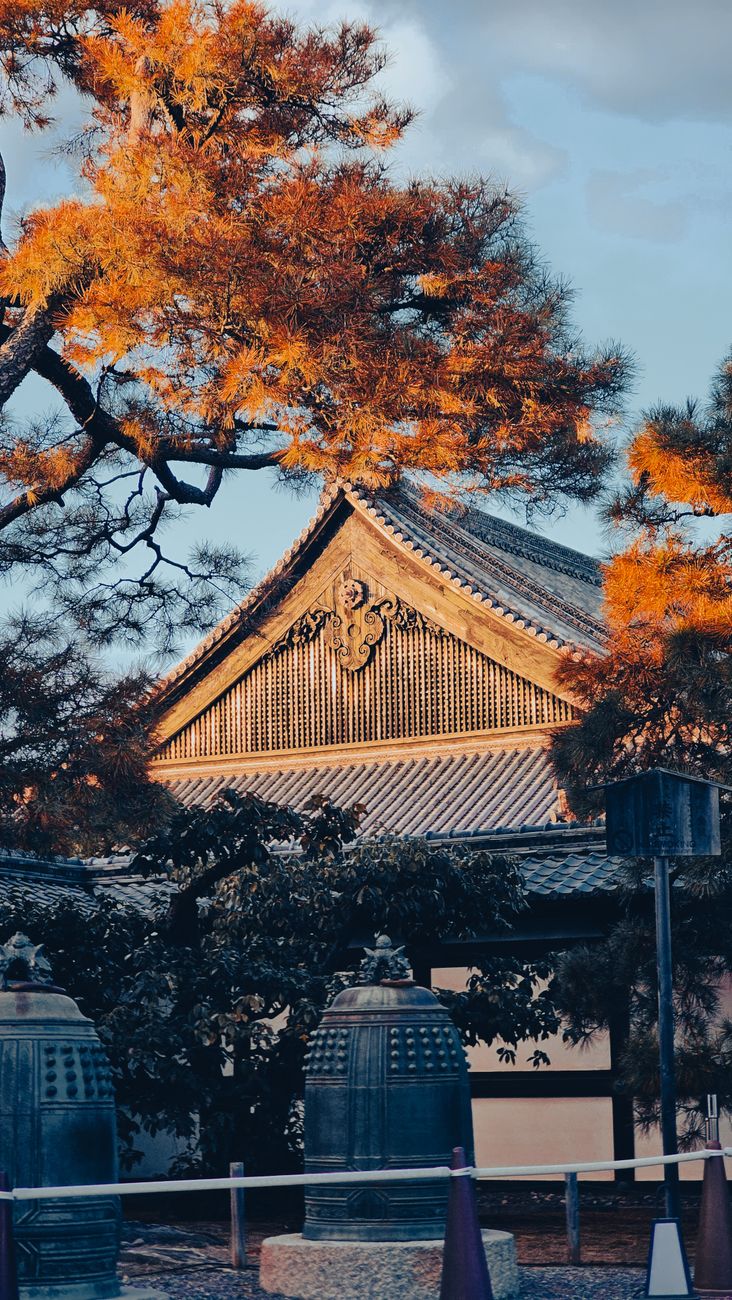
The approach to an ancient tea pavilion along the northern foothills of Kyoto.
3. Mindful Presence in the Tatami Room
Experiencing authentic kaiseki requires setting aside mobile devices and tuning into sensory subtleties: the gentle hiss of water in the cast-iron kettle, the aroma of cypress wood, and the texture of seasonal rice steamed with chestnuts. It remains one of the world's most enduring and restorative culinary ceremonies.